
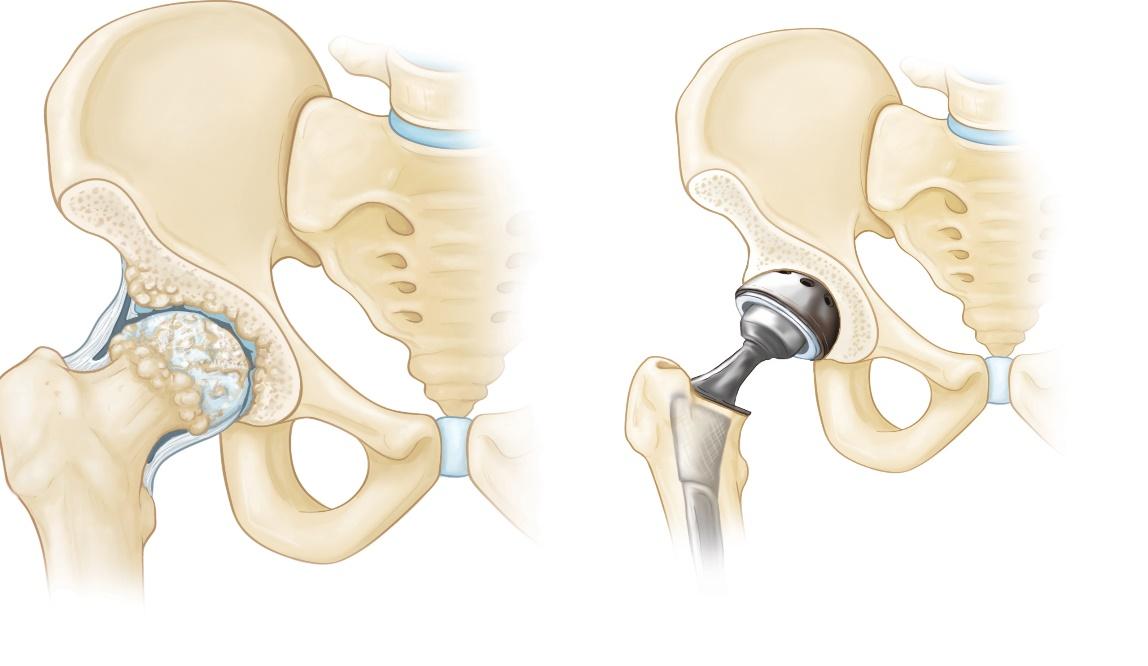
Imagine waking up each morning and dreading the first step you take because your knee gives out, aches, or simply refuses to carry your weight like it used to.
For many people aged 45 and above, the pain radiates and simple walks become labours.
Your once-active life starts to shrink around you.
This isn’t just a niggle it’s a signal that your body is sending you.
A signal that has incurred because of medical advancements and an aging global population with the total numbers increasing by 129% in 2030 to 850,000 replacements.
Why Is Now The Right Time
When your knee joint is failing, you’re not just dealing with discomfort; You’re facing a cascade of risks:
- Progressive damage: What begins as occasional pain can evolve into constant ache, difficulty climbing stairs or standing up, and eventual dependency on walking aids. The longer you wait, the more your surrounding muscles, ligaments and even your spine may suffer as you compensate.
- Quality of life erosion: Every day that you walk less, stand less, engage less in social or physical activity, you lose more than mobility.
- Increased surgical complexity & complication risk: Delaying surgical intervention can mean that bone loss, joint deformity or secondary conditions (like arthritis in neighbouring joints) set in, making eventual surgery more complex.
- Mental and emotional cost: Chronic pain and limited mobility bring emotional strain; frustration, loss of confidence, social withdrawal and all of which amplify when you’re older and perhaps less resilient.
Why choosing India makes sense (for international patients)
When it comes to joint replacement surgeries—especially for older individuals seeking excellent value and outcomes—India stands out. Here’s why:
- Shorter wait times and bundled services: In many Western countries, older patients wait months or years for joint replacement. In India, timing can often be more flexible, with coordinated services including pre- and post-operative care, physiotherapy and accommodation for international patients.
- World-class hospitals and expertise at competitive cost: Many leading Indian hospitals now use advanced technologies (robotic assistance, navigation systems) and are staffed by specialists trained or experienced abroad. For example, a recent report noted a patient from New Zealand had robotic hip surgery in India for just USD 20,000, saying the “Indian hospitals were amazing.”
- Medical tourism-friendly ecosystem: Availability of end-to-end assistance pre and post-op. We at Ikra Meditrip, in India can offer linguistic, cultural and dietary comfort during recovery.
- Positive outcomes & evidence of value: While knee replacement outcomes depend on many factors (patient health, surgeon, rehabilitation), the cost-to-benefit ratio is compelling.
For those aged 45 and above, who may be facing escalating pain, limited mobility and domestic waitlists, India offers a credible alternative especially when coupled with the dedicated support of a medical-tourism partner.
What Can You Expect
Here’s a step-by-step overview of what you can expect from a standard knee replacement (also known as total knee arthroplasty) and how to prepare:
- Pre-operative evaluation: Your surgeon will assess the state of your knee (via X-rays, MRI), your general health (heart, lungs, other joints), and discuss your expectations. If you’re aged 45+, this evaluation is vital to ensure you’re fit for surgery and recovery.
- Surgery: Under anaesthesia, the damaged surfaces of the knee joint (the ends of the femur, tibia and sometimes patella) are removed. A prosthetic implant, typically metal and high-density plastic, is fitted in place. Surgeons may use minimally-invasive techniques, navigation systems or robotics to improve precision.
- Post-operative recovery and care: Early mobilisation—often on the same day or the day after—is key. You’ll work with physical therapists to regain movement (flexion/extension), strengthen leg muscles, and relearn walking patterns. For older patients, support during this period matters to avoid falls or complications.
- Rehabilitation phase: Over the next 6–12 weeks you’ll gradually return to more normal activity (walking without aids, climbing stairs, gentle sport). Full recovery may take up to a year, but many patients report dramatic improvements in the first few months.
- Lifestyle & maintenance: Even though the new knee is designed to last many years, you’ll need to maintain a healthy weight, keep up muscle strength, and avoid extreme high-impact activities that can shorten the life of the implant.
Your Partner In Choosing Life Over Pain
At Ikra Meditrip, we don’t just assist;
We care. We understand the fear, hesitation, and hope that come with choosing surgery abroad. Our team ensures personalised, end-to-end support, so you can focus on recovery while we handle the rest.
Delaying only compounds the problem. And thus, today is the right moment to choose yourself. If you’re considering treatment abroad, India offers the perfect blend of expertise, advanced technology, and compassionate care. With Ikra Meditrip by your side, you can approach this journey with confidence and clarity.
Your next step doesn’t have to be a limitation. It could be your revival.

